Table of Contents
Electricity prices continue to rise every year, and many homeowners and businesses are looking for smarter ways to reduce their monthly bills. One of the best long-term investments is installing a solar system. It not only helps you save money but also reduces your dependence on conventional electricity and supports a cleaner environment.
But with so many options available, choosing the best PM Surya Ghar Mufta Bijli Yojana solar system or the best solar panel can feel overwhelming. Should you choose an on-grid system? Is a hybrid system worth the extra investment? Which type of solar panel offers the highest efficiency?
This tutorial answers all of these questions in simple terms. Whether you’re planning to install a solar system for your home, office, shop, or factory, you’ll learn how to choose the right solution based on your energy needs, budget, and available roof space.
At Sunflare Solar, PM Surya Ghar Mufta Bijli Yojana we believe that every customer deserves a reliable, high-quality solar solution backed by expert guidance and professional installation. This guide will help you make an informed decision before investing in solar energy.
What Is a Solar System?
A solar system is a setup that converts sunlight into electricity using solar panels and other essential components. The electricity generated can power your lights, fans, air conditioners, appliances, and even commercial equipment.
Instead of relying entirely on the electricity grid, a solar system allows you to generate your own clean energy from the sun.
Main Components of a Solar System
Every solar power system includes several key parts:
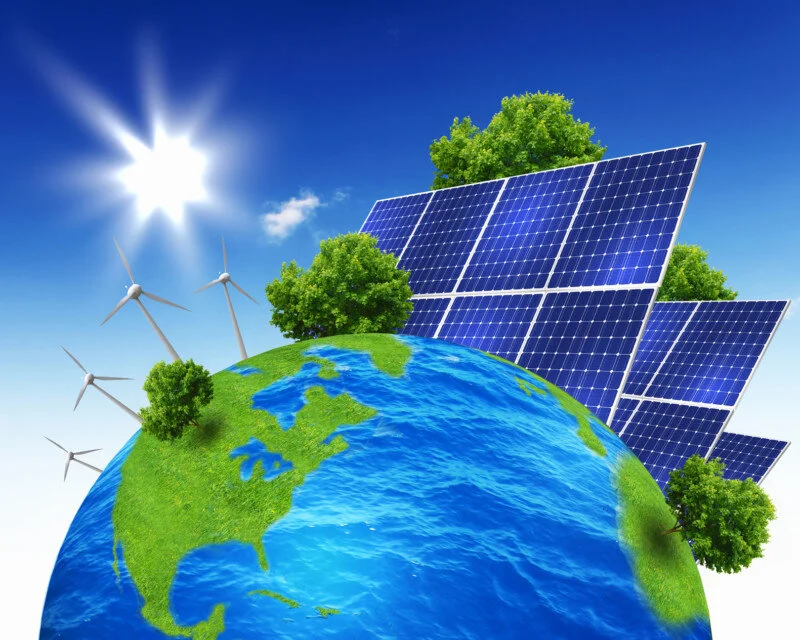
- Solar Panels –Sunlight is captured by solar panels and transformed into electrical power.
- Solar Inverter – Converts DC electricity into AC electricity for everyday use.
- Mounting Structure – Securely mounts the panels to the roof or ground.
- ACDB/DCDB Box – Protects the electrical system from faults and surges.
- Solar Cables – Connect all components safely.
- Earthing System – Provides electrical safety and lightning protection.
- Battery (Optional) – Stores extra electricity for use during power cuts in hybrid and off-grid systems.
When these components work together, they create a reliable and efficient solar power system that can provide clean energy for more than 25 years with minimal maintenance.
How Does a Solar System Work?
The working process is simple:
- Sunlight falls on the solar panels.
- The panels generate direct current (DC) electricity.
- The inverter converts direct current (DC) into alternating current (AC).
- Your home or business uses the generated electricity.
- Any extra electricity can either:
- Be exported to the grid (on-grid systems), or
- Be stored in batteries (hybrid/off-grid systems).
This process happens automatically every day, helping you reduce electricity bills while using renewable energy.
Types of Solar Systems
Choosing the right type of solar system is just as important as selecting the right solar panels. Each type is designed for different energy requirements.
1. On-Grid Solar System
An on-grid system is connected to the local electricity grid and is one of the most popular choices for homes and businesses.
Best For
- Urban homes
- Offices
- Shops
- Schools
- Commercial buildings
Advantages
- Lower installation cost
- No battery maintenance
- Significant savings on electricity bills
- Net metering allows you to export excess power
- High return on investment
Considerations
- Does not provide backup power during a grid outage unless paired with battery storage.
2. Off-Grid Solar System
An off-grid system operates independently of the electricity grid and uses batteries to store energy.
Best For
- Remote villages
- Farms
- Mountain areas
- Locations without reliable grid access
Advantages
- Complete energy independence
- Power available during outages
- Ideal for areas with no electricity connection
Considerations
- Higher initial investment due to battery costs.
- Batteries require periodic replacement.
3. Hybrid Solar System
A hybrid solar system combines the benefits of both on-grid and off-grid systems by connecting to the grid while also including battery storage.
Best For
- Homes with frequent power cuts
- Hospitals
- Businesses requiring uninterrupted power
- Premium residential installations
Advantages
- Backup power during outages
- Better energy management
- Lower electricity bills
- Greater energy independence
Considerations
- Higher upfront cost compared to on-grid systems, but offers added reliability.
Quick Comparison of Solar System Types
| Feature | On-Grid | Off-Grid | Hybrid |
| Grid Connection | ✅ Yes | ❌ No | ✅ Yes |
| Battery Required | ❌ No | ✅ Yes | ✅ Yes |
| Power Backup | ❌ No | ✅ Yes | ✅ Yes |
| Initial Cost | Low | High | Medium–High |
| Maintenance | Low | Medium | Medium |
| Best For | Homes & Businesses | Remote Areas | Homes with Frequent Power Cuts |
Best PM Surya Ghar Mufta Bijli Yojana
How to Choose the Best Solar Panel
Not all solar panels are created equal. The Best PM surya ghar mufta bijli yojana for your home or business depends on your energy needs, budget, roof space, and local weather conditions.
Before making a purchase, compare the following factors.
1. Panel Efficiency
Efficiency measures how much sunlight a solar panel converts into electricity. Higher efficiency means more power from the same roof area.
General Efficiency Range
- Monocrystalline: 20–23%
- Polycrystalline: 16–18%
- Bifacial: Up to 25% (depending on installation conditions)
Tip: If you have limited roof space, choose high-efficiency panels.
2. Warranty
A quality solar panel should include:
- Product Warranty: 10–15 years
- Performance Warranty: Up to 25–30 years
A longer warranty reflects the manufacturer’s confidence in the product.
3. Durability
Solar panels are exposed to harsh weather throughout the year.
Look for panels that can withstand:
- Heavy rain
- Strong winds
- High temperatures
- Dust and pollution
- Hail (where applicable)
Quality-certified panels generally offer better long-term reliability.
4. Temperature Performance
Solar panels lose some efficiency in extreme heat.
Choose panels with a low temperature coefficient, especially if you live in hot regions like Haryana, Rajasthan, or Punjab.
5. Brand & Installation Partner
Even the best solar panel won’t perform well if it’s installed incorrectly.
Choose a trusted solar company that offers:
- Professional installation
- Quality components
- System design based on your energy needs
- After-sales service
- Maintenance support
At Sunflare Solar, every installation is customized to maximize energy production and long-term savings.
Types of Solar Panels
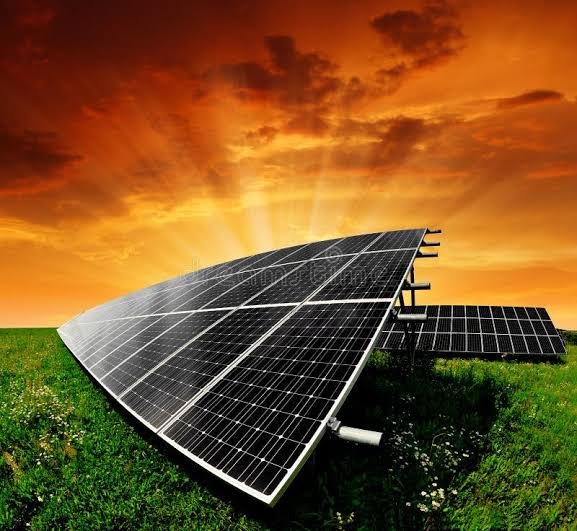
Understanding the different panel technologies will help you choose the right one.
Monocrystalline Solar Panels
Monocrystalline panels are considered the premium option because they deliver the highest efficiency and excellent performance.
Pros
- High power output
- Performs well in low light
- Requires less roof space
- Long lifespan
- Sleek black appearance
Best For
- Residential rooftops
- Commercial buildings
- Limited roof space
Polycrystalline Solar Panels
Polycrystalline panels are a budget-friendly option that still offers reliable performance.
Pros
- Lower purchase cost
- Proven technology
- Good efficiency
- Suitable for larger roofs
Best For
- Homes with ample roof space
- Budget-conscious buyers
Bifacial Solar Panels
Bifacial panels generate electricity from both the front and rear sides by capturing reflected sunlight.
Pros
- Higher energy generation
- Better performance in open areas
- Increased long-term output
Best For
- Industrial rooftops
- Ground-mounted solar plants
- Commercial projects
Solar Panel Comparison Table
| Feature | Monocrystalline | Polycrystalline | Bifacial |
| Efficiency | ⭐⭐⭐⭐⭐ | ⭐⭐⭐ | ⭐⭐⭐⭐⭐ |
| Cost | High | Affordable | High |
| Roof Space Required | Less | More | Medium |
| Lifespan | 25–30 Years | 25 Years | 30 Years |
| Best Use | Homes & Businesses | Budget Installations | Commercial & Industrial |
Benefits of Installing the Best Solar System
A quality solar system offers much more than lower electricity bills.
Key Benefits
- ✔ Reduce monthly electricity expenses
- ✔ Protection from rising power tariffs
- ✔ Clean and renewable energy
- ✔ Low maintenance requirements
- ✔ Long service life of 25+ years
- ✔ Increased property value
- ✔ Lower carbon footprint
- ✔ Better energy independence
- ✔ Potential government subsidy benefits
- ✔ Attractive return on investment
For most homeowners, a solar system pays for itself over time through reduced electricity costs.
What Size Solar System Do You Need?
Choosing the right system size is essential for maximizing savings.
| Property Type | Recommended System Size | Suitable For |
| Small Home (1–2 BHK) | 1–2 kW | Basic household appliances |
| Medium Home (2–3 BHK) | 3 kW | Average family usage |
| Large Home | 5 kW | Heavy daily electricity consumption |
| Villa/Bungalow | 6–10 kW | Air conditioners and multiple appliances |
| Commercial Shop | 5–10 kW | Retail stores and offices |
| Factory/Industry | 10 kW+ | High energy demand |
Note: The ideal system size depends on your monthly electricity consumption, roof area, and future energy requirements.
What Affects the Cost of a Solar System?
The price of a solar system varies depending on several factors.
Cost Factors
- System capacity (kW)
- Type of solar panels
- Inverter quality
- Battery storage (if required)
- Roof design and installation complexity
- Mounting structure
- ACDB/DCDB and safety components
- Government subsidies
- Installation and maintenance services
Rather than focusing only on the lowest price, consider the overall value, product quality, warranty, and after-sales support.