Primary Keyword: Best Solar Solution for house
Secondary Keywords: UTL off-grid solar system, monocrystalline solar panel, polycrystalline solar panel, off-grid solar system, solar panel efficiency, and best solar panel for home
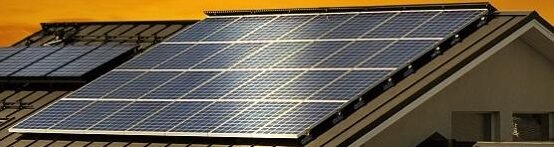
With electricity prices increasing every year, more homeowners are switching to solar energy to reduce their monthly bills. However, installing a solar system is only part of the solution. Choosing the best solar panel for home is equally important because it directly affects your electricity generation, system efficiency, and long-term savings.
Whether you’re planning to install a rooftop system or a UTL off-grid solar system, selecting high-quality solar panels ensures reliable performance for decades. A good solar panel can generate more electricity, require less maintenance, and provide better value for your investment.
In this guide, you’ll learn everything you need to know about solar panels, including their types, benefits, efficiency, and how to choose the right one for your home.
What Is a Solar Panel?
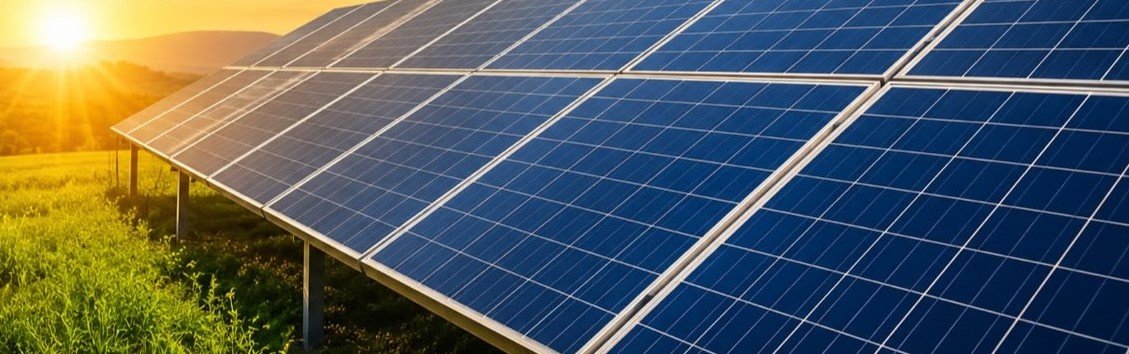
A solar panel is an apparatus that uses photovoltaic (PV) cells to transform sunlight into electricity. When sunlight strikes these cells, they produce Direct Current (DC) electricity. An inverter transforms this electricity into Alternating Current (AC), which can be used to power domestic appliances. Solar panels are the most important part of any solar energy system. Their quality and efficiency determine how much electricity your system can generate each day.
Main Components of a Solar Panel
A modern solar panel is made up of several layers that work together to produce electricity efficiently:
- Solar Cells: Convert sunlight into electricity.
- Tempered Glass: Protects the cells from rain, dust, and impact.
- EVA Encapsulation: Holds the solar cells securely in place.
- Backsheet: Provides electrical insulation and moisture protection.
- Aluminum Frame: Adds strength and makes installation easier.
- Junction Box: Transfers electricity safely to the inverter.
- Cables and Connectors: Carry electricity through the system.
Each component contributes to the panel’s durability and long-term performance.
How Do Solar Panels Work?
The working process is simple and automatic:
- Sunlight falls on the solar panels.
- Photovoltaic cells absorb the sunlight.
- The cells generate DC electricity.
- The inverter converts DC power into AC power.
- The electricity powers your home appliances.
- In an off-grid system, excess electricity is stored in batteries for later use.
Every day, whenever there is sunlight, this process is repeated.
Types of Solar Panels
There are several types of solar panels available, but three are commonly used for residential applications.
1. Monocrystalline Solar Panels
Monocrystalline panels are made from a single crystal of silicon, making them highly efficient and long-lasting.
Advantages
- High efficiency (20–23%)
- Better performance in limited roof space
- Excellent performance in hot weather
- Sleek black appearance
- Long lifespan of 25–30 years
Disadvantages
- Higher initial cost
Ideal for: Homeowners looking for long-term value and optimal efficiency.
2. Polycrystalline Solar Panels
A less expensive alternative is provided by polycrystalline panels, which are composed of many silicon crystals..
Advantages
- Lower purchase cost
- Reliable performance
- Durable and widely available
Disadvantages
- Lower efficiency than monocrystalline panels
- More roof space is needed to achieve the same results.
Best for: Budget-conscious homeowners with larger rooftops.
3. Thin-Film Solar Panels
Thin-film panels are lightweight and flexible, making them suitable for specialized applications.
Advantages
- Lightweight
- Flexible installation options
- Performs reasonably well in shaded conditions
Disadvantages
- Lower efficiency
- Shorter lifespan
- Less common for residential rooftops
Best for: Portable systems and certain commercial applications.
Solar Panel Comparison
| Feature | Monocrystalline | Polycrystalline | Thin-Film |
| Efficiency | ⭐⭐⭐⭐⭐ | ⭐⭐⭐ | ⭐⭐ |
| Lifespan | 25–30 Years | 25 Years | 10–20 Years |
| Roof Space Needed | Less | More | Most |
| Heat Performance | Excellent | Good | Good |
| Appearance | Black | Blue | Black/Flexible |
| Price | High | Medium | Low |
| Best Use | Homes with limited roof space | Budget-friendly homes | Special applications |
Why Choosing the Best Solar Panel Matters
Not all solar panels deliver the same results. Investing in high-quality panels provides several long-term benefits. Best Solar Solution for House: The Complete Buying Guide.
1. Higher Electricity Generation
Efficient panels convert more sunlight into electricity, helping you maximize energy production throughout the year.
2. Lower Electricity Bills
Generating more electricity means relying less on the power grid, which can significantly reduce your monthly electricity costs.
3. Longer Lifespan
Premium solar panels are designed to perform reliably for 25 years or more, making them a smart long-term investment.
4. Better Performance in Different Weather Conditions
Quality panels continue producing electricity even on cloudy days and maintain better performance in high temperatures.
5. Low Maintenance
Solar panels require minimal maintenance. Regular cleaning and occasional inspections are usually enough to keep them operating efficiently.
6. Environment-Friendly Energy
Solar power is clean and renewable. By installing high-quality solar panels, you reduce greenhouse gas emissions and contribute to a healthier environment.
7. Better Return on Investment
Although premium panels may cost more initially, their higher efficiency and longer lifespan often lead to greater savings over time.
Why Homeowners Choose High-Quality Solar Panels
How to Choose the Best Solar Solution for house
Buying solar panels isn’t just about finding the lowest price. Consider these factors before making a decision.
✔ Panel Efficiency
Higher-efficiency panels produce more electricity from the same amount of sunlight. This is especially useful if your roof space is limited.
✔ Power Rating
Solar panels are available in different wattages, such as 330 W, 400 W, 450 W, and 550 W. Choose a wattage that matches your energy needs and available roof area.
✔ Roof Size
Measure your roof carefully. Limited roof space often makes high-efficiency panels the better choice.
✔ Local Climate
If you live in a hot region, select panels with a low temperature coefficient to maintain strong performance even in high temperatures.
✔ Build Quality
Look for durable materials, corrosion-resistant frames, and weather-resistant construction that can withstand harsh outdoor conditions.
✔ Warranty
Choose panels backed by a product warranty and a performance warranty. Strong warranty coverage offers added peace of mind.
✔ Brand Reputation
Buy from trusted manufacturers with a proven history of producing reliable solar products and providing good customer support.
✔ Compatibility with Your Solar System
If you’re installing a UTL off-grid solar system, ensure the panels are compatible with your inverter, battery bank, and charge controller for smooth and efficient operation.
Step-by-Step Solar Installation Process
A professional installation usually follows these steps: Best Solar Panel for Home: The Complete Buying Guide
Step 1: Site Survey
A solar expert visits your property to inspect roof condition, available space, shading, and electrical setup.
Step 2: System Design
The installer designs a customized system based on your electricity usage and roof layout.
Step 3: Documentation & Approvals
Necessary approvals and documentation are completed before installation begins.
Step 4: Panel Installation
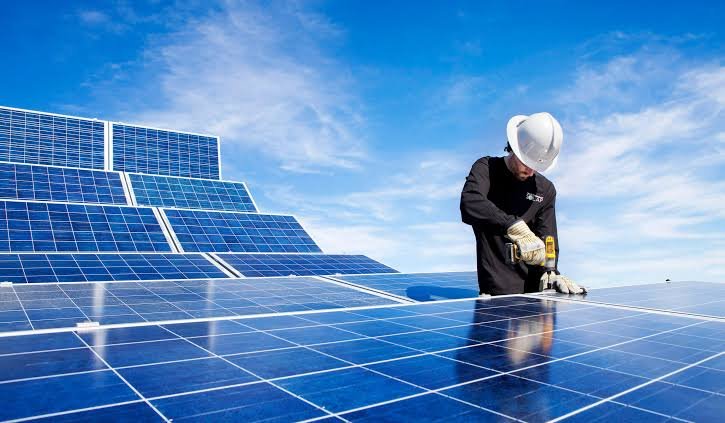
Solar panels are securely mounted on the rooftop using durable mounting structures.
Step 5: Electrical Connections
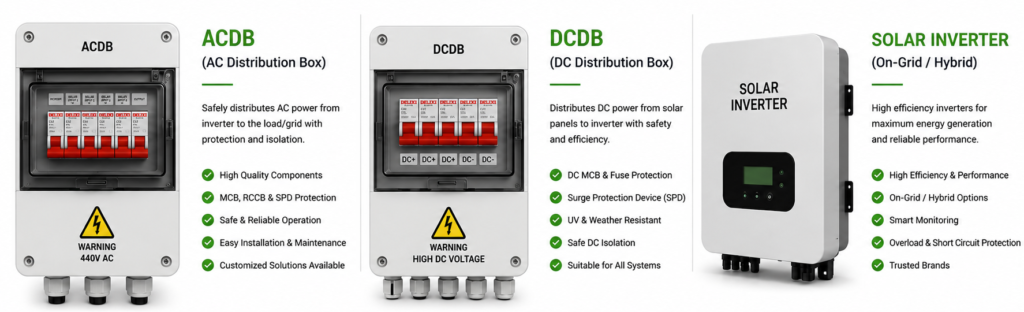
The inverter, ACDB/DCDB, cables, and safety devices are connected.
Step 6: Net Meter Installation
For grid-connected systems, a net meter is installed to measure exported and imported electricity.
Step 7: Testing & Commissioning
The complete system is tested to ensure safe and efficient operation before handover.
Maintenance Tips for Maximum Performance
Solar systems require very little maintenance, but a few simple practices can improve efficiency.
Maintenance Checklist
- Clean solar panels every few weeks or when dust accumulates.
- Remove leaves, bird droppings, and debris.
- Trim nearby trees that may create shade.
- Monitor energy production regularly.
- Schedule a professional inspection once a year.
- Check wiring and inverter indicators periodically.
Proper maintenance helps maintain high performance for decades.
Frequently Asked Questions (FAQs)
1. Which is the best solar panel for home?
The best solar panel for home depends on your energy needs, budget, and available roof space. Monocrystalline solar panels are generally the best choice because they offer higher efficiency, better performance in hot weather, and a lifespan of 25–30 years.
2. What is the difference between monocrystalline and polycrystalline solar panels?
Monocrystalline panels are made from a single silicon crystal and provide higher efficiency with a sleek black appearance. Polycrystalline panels are made from multiple silicon crystals, making them more affordable but slightly less efficient.
3. How long do solar panels last?
Most high-quality solar panels last 25–30 years. Even after this period, they continue to generate electricity, although at a slightly reduced efficiency.
4. Are solar panels worth the investment?
Yes. Solar panels help reduce electricity bills, increase property value, require minimal maintenance, and offer long-term savings. Most homeowners recover their investment within a few years through lower energy costs.
5. Which solar panel is best for an off-grid solar system?
For a UTL off-grid solar system, monocrystalline solar panels are often the preferred choice because they generate more electricity and charge batteries more efficiently, especially when roof space is limited.
6. How do I choose the right solar panel size?
The ideal panel size depends on your monthly electricity consumption, available roof area, and budget. A professional solar assessment can help determine the right system capacity for your home.
Ready to Switch to Solar?
Whether you’re planning a new installation or upgrading your existing system, our team is here to help you make the right decision.
Contact Sunflare Solar Today
📞 Phone: +91 94668 27692
📧 Email: ankitsaini0627@gmail.com
📍 Branch Office: Near Bus Stand, Raipur Rani, Panchkula, Haryana – 134204