Table of Contents
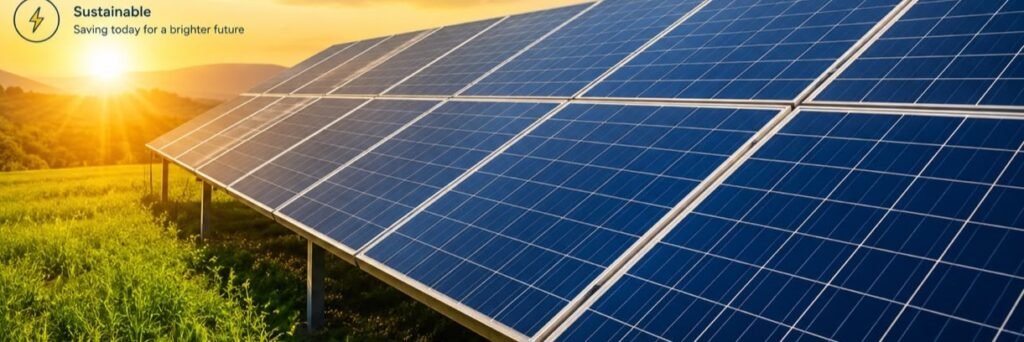
Electricity prices continue to rise every year, making it harder for homeowners to manage monthly expenses. At the same time, people are becoming more aware of clean and renewable energy. That’s why installing the best solar system has become one of the smartest investments for modern homes.
A home solar system not only helps reduce electricity bills but also provides long-term savings, increases property value, and supports a cleaner environment. Whether you live in a small house or a large villa, choosing the right solar solution can make a significant difference.
In this guide, you’ll learn everything you need to know about selecting the best solar system for your home, including its components, different types, benefits, and the factors you should consider before making a purchase.
What Is a Solar System?
A solar system is a setup that converts sunlight into electricity using solar panels installed on your rooftop or open space. Your reliance on the electrical grid can be decreased by using the electricity produced to run your household appliances.
Most modern residential solar systems are designed to last 25 years or more, making them a reliable long-term investment.
Main Components of a Solar System
Every residential solar system consists of several important parts:
- Solar Panels – Capture sunlight and generate electricity.
- Solar Inverter – Converts DC electricity into AC electricity for household use.
- Mounting Structure –The mounting structure keeps the panels firmly in place on the roof.
- ACDB/DCDB Box – Protects the electrical system from overloads and faults.
- Solar Battery (Optional) – Stores extra electricity for later use.
- Net Meter – Tracks electricity imported from and exported to the grid.
- Wires and Safety Equipment – Ensure safe and efficient power transmission.
Every part is crucial to achieving optimal performance and safety.
How Does a Solar System Work?
The working products process is simple:
- Sunlight falls on the solar panels.
- The panels generate Direct Current (DC) electricity.
- The solar inverter converts DC into Alternating Current (AC).
- The AC electricity powers your home appliances.
- Extra electricity is either stored in a battery or sent to the electricity grid through net metering.
This entire process happens automatically without any daily effort from the homeowner.
Types of Solar Systems
Choosing the best solar system depends on your electricity needs and location. There are three main types.
1. On-Grid Solar System
An on-grid system has a direct connection to the electrical grid.
Advantages
- Lower installation cost
- No battery required
- Net metering helps reduce electricity bills
- Easy maintenance
- Ideal for urban homes
Best For
- Homes with a stable electricity supply
- Homeowners looking for maximum savings
2. Off-Grid Solar System
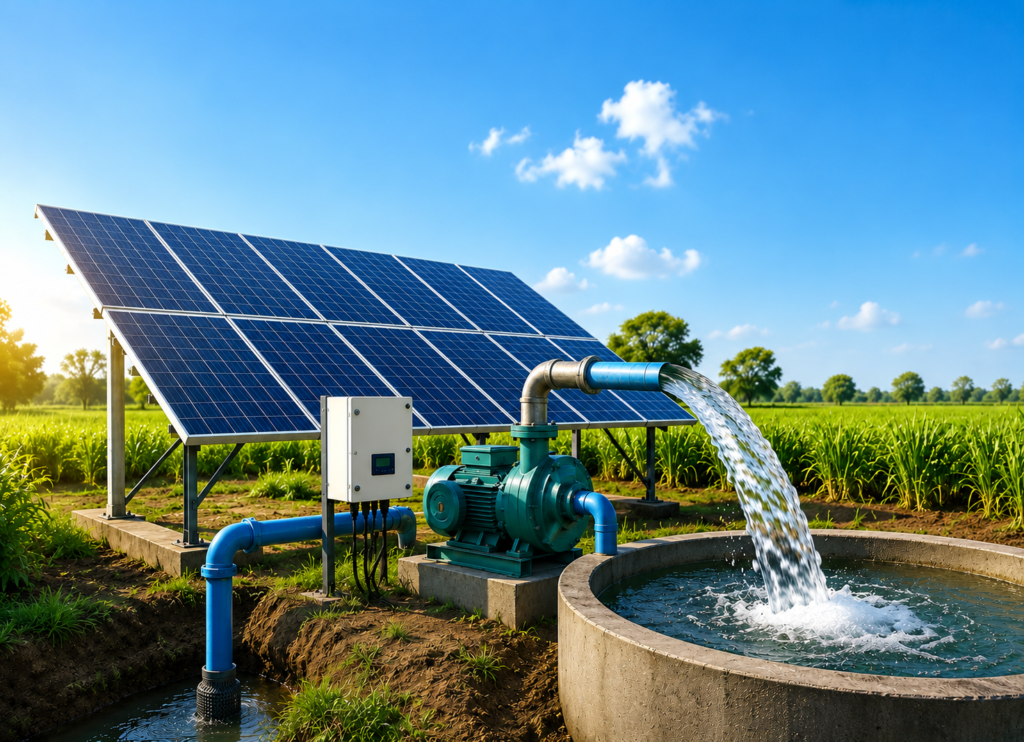
The power grid is not necessary for an off-grid solar system to function.
Advantages
- Complete energy independence
- Battery backup available
- Suitable for remote areas
Best For
- Villages
- Farmhouses
- Areas with frequent power cuts
3. Hybrid Solar System
Grid connectivity and battery storage are combined in a hybrid solar system.
Advantages
- Backup during power outages
- Better energy management
- Reduced dependence on the grid
- Maximum energy utilization
Best For
- Homes experiencing regular power cuts
- Families needing uninterrupted electricity
Solar System Comparison
| Feature | On-Grid | Off-Grid | Hybrid |
| Grid Connection | ✅ Yes | ❌ No | ✅ Yes |
| Battery Required | ❌ No | ✅ Yes | ✅ Yes |
| Works During Power Cut | ❌ Usually No | ✅ Yes | ✅ Yes |
| Installation Cost | Low | High | Medium-High |
| Maintenance | Low | Medium | Medium |
| Best For | City Homes | Remote Areas | Homes Needing Backup |
Benefits of Installing the Best Solar System
Reduced electricity costs are only one benefit of a high-quality solar system.
1. Significant Savings
One of the biggest advantages is reducing your monthly electricity expenses. The installation expense can be readily recouped over time by the savings.
2. Clean Energy
Solar power produces electricity without releasing harmful emissions, helping reduce your carbon footprint.
3. Low Maintenance
Modern solar panels require very little maintenance. Cleaning them every few weeks and scheduling an annual inspection is usually enough to keep them performing efficiently.
4. Long Lifespan
Most premium solar panels come with a performance warranty of 25 years, providing reliable energy for decades.
5. Government Subsidies
Many homeowners can benefit from government-supported rooftop solar programs, making installation more affordable.
6. Increased Property Value
Homes with solar systems are often more attractive to buyers because they offer lower energy costs and greater sustainability.
7. Energy Independence
Generating your own electricity reduces dependence on the power grid and protects you from rising electricity prices.
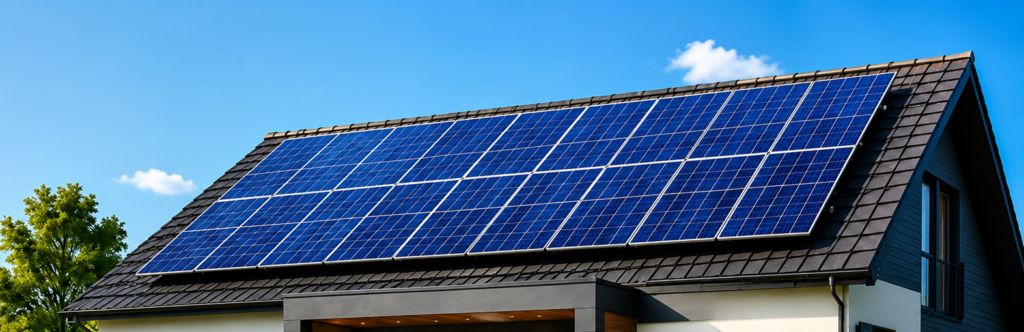
Why More Homeowners Are Choosing Solar
How to Choose the Best Solar System
Different types and sizes of solar systems are needed for different types of homes.
Monthly Electricity Consumption
Examine the last 12 months’ worth of electricity bills. This helps determine the right system size and avoids over- or under-sizing.
Roof Space
A larger roof allows for more solar panels, which can generate higher amounts of electricity. Make sure the roof gets plenty of sunlight and little shade.
Budget
Take into account the long-term savings as well as the initial installation expense. Spending a little more on quality components often delivers better performance and reliability.
Quality of Solar Panels
Choose high-efficiency solar panels from reputable manufacturers. Better panels typically produce more electricity in the same amount of roof space.
Inverter Quality
The central component of your solar system is the inverter. A reliable inverter improves efficiency and ensures smooth operation for years.
Warranty
Look for products with comprehensive warranties on:
- Solar panels
- Inverter
- Installation workmanship
A good warranty provides peace of mind and protects your investment.
Installation Company
Always work with an experienced solar installer that offers:
- Professional site surveys
- Certified installation teams
- Quality materials
- After-sales support
- Maintenance services
Your solar system’s long-term performance may be significantly impacted by the installation you select.
Best Solar Panel Technologies
Not all solar panels are the same. The right technology depends on your budget, roof space, and energy needs. Here’s a quick comparison of the three most popular options.
| Feature | Monocrystalline | Polycrystalline | Bifacial |
| Efficiency | ⭐⭐⭐⭐⭐ | ⭐⭐⭐ | ⭐⭐⭐⭐⭐ |
| Performance in Heat | Excellent | Good | Excellent |
| Roof Space Required | Less | More | Less |
| Lifespan | 25–30 Years | 25 Years | 30+ Years |
| Price | Higher | Lower | Premium |
| Best For | Homes with limited roof space | Budget-friendly installations | Maximum energy generation |
1. Monocrystalline Solar Panels
Monocrystalline panels are the most popular choice for homeowners because of their high efficiency and sleek appearance.
Pros
- High power output
- Better performance in hot weather
- Requires less roof space
- Long lifespan
- Modern black design
Cons
- Higher upfront cost
Best for:
- Homeowners who want maximum efficiency and long-term savings.
2. Polycrystalline Solar Panels
Polycrystalline panels are more affordable and still offer reliable performance for residential use.
Pros
- Lower purchase cost
- Good durability
- Suitable for larger roofs
Cons
- Slightly lower efficiency
- Requires more installation space
Best for
- Budget-conscious homeowners with ample roof space.
3. Bifacial Solar Panels
Bifacial panels generate electricity from both the front and rear sides by capturing reflected sunlight.
Pros
- Higher energy production
- Excellent efficiency
- Ideal for commercial and premium residential projects
Cons
- Higher installation cost
- Requires proper mounting for best results
Best for
- Homes with open rooftops where maximum energy generation is the goal.
What Affects Solar System Price?
The cost of a solar system depends on several factors.
Major Cost Factors
- System capacity (kW)
- Solar panel quality
- Inverter brand
- Battery storage (if included)
- Roof type and installation complexity
- Mounting structure quality
- Electrical accessories
- Government subsidy eligibility
Estimated Price Range
| System Size | Suitable For | Estimated Price* |
| 2 kW | Small Home | Moderate |
| 3 kW | Small Family | Moderate–Medium |
| 5 kW | Medium Home | Medium |
| 7 kW | Large Home | Medium–High |
| 10 kW | Large Villas | High |
*Actual prices vary by brand, installation requirements, and local incentives.
Government Subsidies
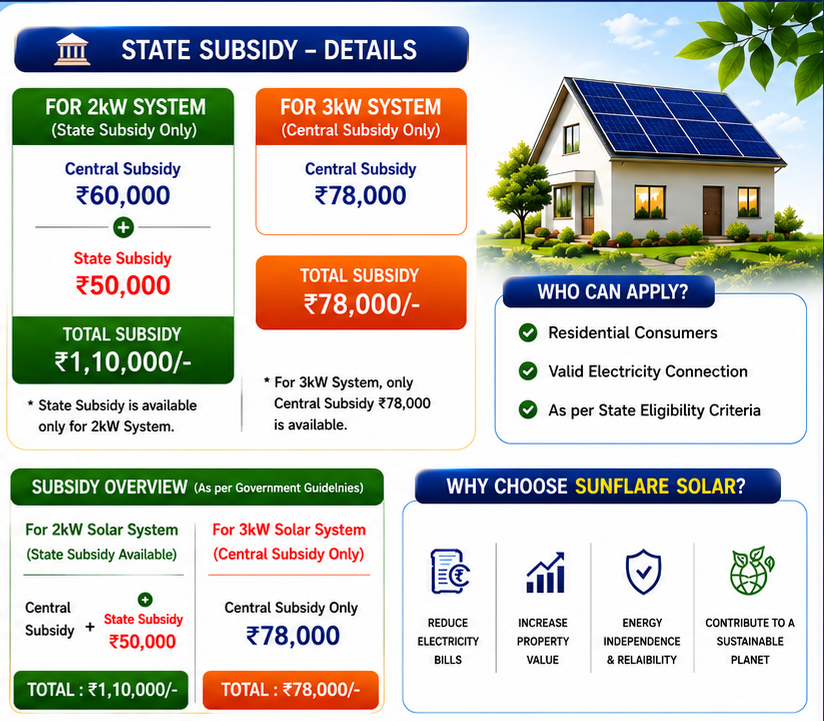
Many homeowners can reduce installation costs through government rooftop solar programs, such as PM Surya Ghar Muft Bijli Yojana.
Benefits
- Lower initial investment
- Faster return on investment
- Encourages clean energy adoption
- Helps reduce electricity expenses
Before applying, verify the latest eligibility requirements, approved vendors, and subsidy amounts through official government portals.
Step-by-Step Solar Installation Process
A professional installation usually follows these steps:
Step 1: Site Survey
A solar expert visits your property to inspect roof condition, available space, shading, and electrical setup.
Step 2: System Design
The installer designs a customized system based on your electricity usage and roof layout.
Step 3: Documentation & Approvals
Necessary approvals and documentation are completed before installation begins.
Step 4: Panel Installation
Solar panels are securely mounted on the rooftop using durable mounting structures.
Step 5: Electrical Connections
The inverter, ACDB/DCDB, cables, and safety devices are connected.
Step 6: Net Meter Installation
For grid-connected systems, a net meter is installed to measure exported and imported electricity.
Step 7: Testing & Commissioning
The complete system is tested to ensure safe and efficient operation before handover.
Final Thoughts
Installing the best solar system for home is one of the smartest investments you can make for your home. With rising electricity prices and growing environmental awareness, solar power offers long-term financial savings while helping create a cleaner future.
Whether you choose an on-grid, off-grid, or hybrid system, the key is selecting the right size, using high-quality components, and working with a trusted installation company. A well-designed solar system can provide reliable, low-maintenance energy for 25 years or more.
Take the time to compare options, evaluate your electricity needs, and choose a solution that matches your budget and lifestyle. With the right investment today, you’ll enjoy lower electricity bills and greater energy independence for years to come.
Why Choose Sunflare Solar?
At Sunflare Solar, we provide complete residential solar solutions tailored to your energy needs.
Our Services
- ✔ Premium-quality solar panels
- ✔ On-grid, off-grid, and hybrid systems
- ✔ Professional rooftop installation
- ✔ Assistance with government subsidy applications
- ✔ High-performance inverters and accessories
- ✔ Reliable after-sales support
- ✔ Affordable pricing with transparent quotations
Get Your Free Solar Consultation
Ready to switch to clean energy?
Contact Sunflare Solar today for a FREE site survey and personalized solar quotation. Our experts will help you choose the best solar system for your home, maximize your savings, and ensure a smooth installation from start to finish.
Primary Keyword Used: Best Solar System for home
Secondary Keywords: Best Solar System for Home, Home Solar Panels, Rooftop Solar System, Residential Solar Installation, Solar Energy, Solar Panel Guide, On-Grid Solar System, Hybrid Solar System, Solar Panel Installation.