Table of Contents
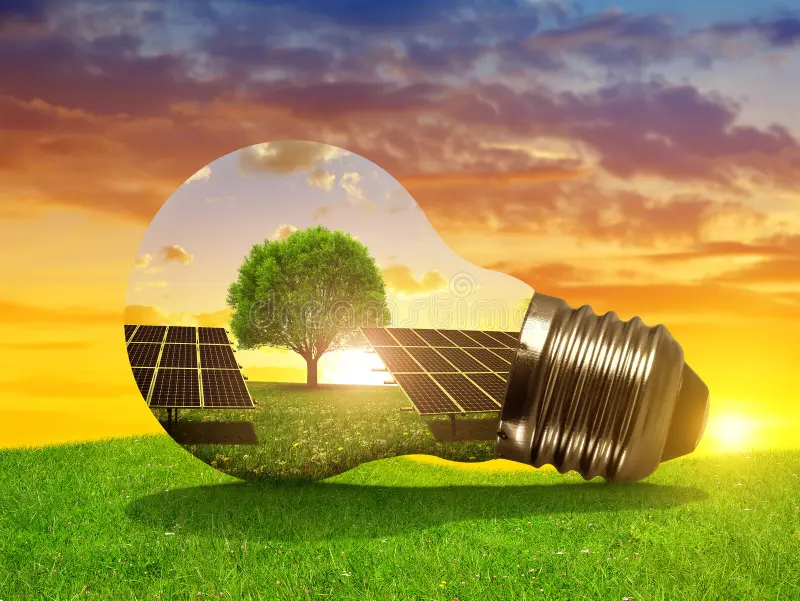
Electricity costs are increasing every year, making it difficult for homeowners and businesses to manage their monthly energy bills. At the same time, people are becoming more aware of the importance of clean and renewable energy. As a result, installing a solar electric system has become one of the smartest investments for anyone looking to save money and reduce their carbon footprint.
A solar electric system allows you to generate your own electricity using sunlight. It helps lower electricity bills, provides long-term savings, and reduces dependence on traditional power sources. Whether you own a small house, a large villa, a commercial building, or an industrial facility, solar power offers a reliable and sustainable energy solution.
With modern technology, today’s solar systems are more efficient, durable, and affordable than ever before. Government incentives and schemes such as the PM Surya Ghar Muft Bijli Yojana have also made solar installations more accessible for Indian homeowners.
In this guide, you’ll learn everything you need to know about a solar electric system, including how it works, its components, the different types available, and how to choose the right system for your property.
What Is a Solar Electric System?
A solar electric system is a renewable energy system that converts sunlight into usable electricity. Instead of relying entirely on the local power grid, it enables you to generate clean electricity from your rooftop or another suitable location.
The electricity produced can power everyday appliances such as:
- LED lights
- Ceiling fans
- Televisions
- Refrigerators
- Washing machines
- Air conditioners
- Water pumps
- Office equipment
- Industrial machinery
Depending on the type of system you install, any extra electricity can either be stored in batteries or exported back to the electricity grid through net metering.
Simply put, a solar electric system turns free sunlight into valuable electricity that can significantly reduce your monthly energy expenses.
How Does a Solar Electric System Work?
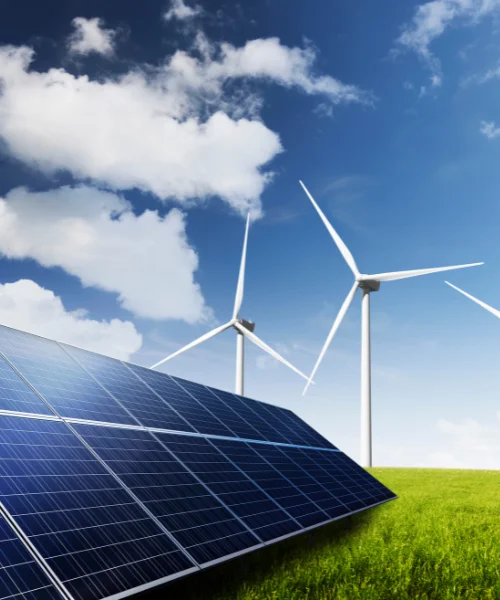
One of the biggest advantages of solar power is its simple working process. Once installed, the system operates automatically with very little maintenance.
Step-by-Step Process
- Sunlight hits the solar panels.
- Solar panels generate Direct Current (DC) electricity.
- A solar inverter converts DC electricity into Alternating Current (AC).
- The AC electricity powers your home or business appliances.
- Any unused electricity is either:
- Exported to the electricity grid (On-Grid System), or
- Stored in batteries (Hybrid or Off-Grid System).
This entire process happens silently, efficiently, and without producing harmful emissions.
Main Components of a Solar Electric System
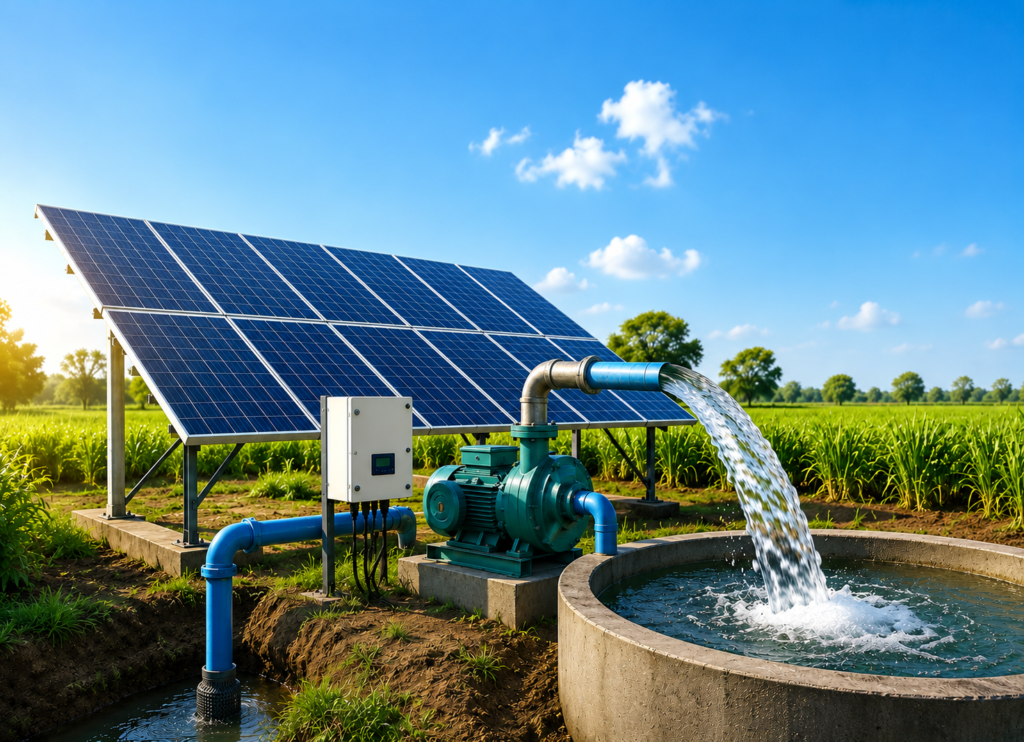
A solar electric system consists of several important components. Each one plays a vital role in ensuring reliable performance and long-term efficiency.
1. Solar Panels
Solar panels are the heart of the system. They take in solar radiation and transform it into electrical energy.
Modern solar panels are designed to last 25–30 years and require very little maintenance.
2. Solar Inverter
The inverter converts DC electricity produced by the panels into AC electricity that powers household and commercial appliances.
Without an inverter, the electricity generated by the panels cannot be used by most electrical devices.
3. Mounting Structure
The mounting structure securely holds the solar panels on rooftops or the ground.
A high-quality structure:
- Resists strong winds
- Prevents rust and corrosion
- Maintains the correct panel angle for maximum sunlight
4. ACDB & DCDB
These electrical safety boxes protect the system from:
- Short circuits
- Voltage fluctuations
- Overloads
- Electrical faults
They improve both safety and system reliability.
5. Solar Cables and Connectors
Special UV-resistant cables connect all system components.
High-quality cables reduce power loss and improve the overall efficiency of the solar electric system.
6. Earthing and Lightning Protection
Safety is an essential part of every installation.
Proper earthing protects:
- People
- Appliances
- Solar equipment
Lightning protection helps prevent damage during storms.
7. Solar Battery (Optional)
For usage at night or during blackouts, batteries store extra electricity produced during the day.
They are commonly used in:
- Hybrid solar systems
- Off-grid solar systems
Homes with reliable grid power often choose on-grid systems that do not require batteries.
Why Are Solar Electric Systems Becoming So Popular?
The popularity of solar energy continues to grow because it offers both financial and environmental benefits.
Key Reasons
- Lower monthly electricity bills
- Clean and renewable energy
- Reduced dependence on the power grid
- Low maintenance costs
- Long equipment lifespan
- Government subsidy opportunities
- Increased property value
- Better return on investment over time
For many homeowners, a solar electric system is no longer just an environmentally friendly option—it is a practical financial decision.
Quick Overview of a Solar Electric System
| Component | Purpose |
| Solar Panels | Generate electricity from sunlight |
| Solar Inverter | Converts DC to AC power |
| Mounting Structure | Holds the panels securely |
| ACDB/DCDB | Electrical protection |
| Solar Cables | Connect all components |
| Earthing System | Ensures electrical safety |
| Battery (Optional) | Stores excess electricity |
Types of Solar Electric Systems
Not every property has the same electricity requirements. That’s why solar electric systems are available in different configurations. Understanding each type will help you choose the right system based on your energy needs, budget, and power availability.
1. On-Grid Solar Electric System
An on-grid solar electric system is directly connected to the local electricity grid. It is the most popular option for urban homes and commercial buildings because it helps reduce electricity bills without requiring battery storage.
How It Works
- Solar panels generate electricity during the day.
- Your home uses this electricity first.
- Extra electricity is exported to the grid through net metering.
- At night or during low sunlight, electricity is supplied from the grid.
Best For
- Homes
- Apartments
- Shops
- Offices
- Schools
- Commercial buildings
Advantages
- Lower installation cost
- No battery maintenance
- High return on investment (ROI)
- Reduced electricity bills
- Net metering benefits
- Simple maintenance
Limitations
- Does not provide backup power during a power outage unless combined with battery storage.
2. Off-Grid Solar Electric System
An off-grid solar electric system works independently of the electricity grid. It uses batteries to store energy produced during the day, making it ideal for areas with limited or unreliable grid access.
How It Works
- Solar panels generate electricity.
- Excess energy is stored in batteries.
- Stored electricity powers your home at night or during cloudy weather.
Best For
- Rural areas
- Farms
- Remote villages
- Mountain regions
- Locations without grid connectivity
Advantages
- Complete energy independence
- Reliable backup power
- Suitable for remote locations
- No dependence on utility companies
Limitations
- Higher installation cost
- Battery replacement required after several years
- More maintenance than on-grid systems
3. Hybrid Solar Electric System
A hybrid solar electric system combines the features of on-grid and off-grid systems. It is connected to the grid while also using battery storage, offering uninterrupted power even during outages.
How It Works
- Solar panels generate electricity.
- Your home uses solar energy first.
- Extra electricity charges the batteries.
- Remaining excess electricity is exported to the grid.
- During a power cut, the batteries automatically supply electricity.
Best For
- Homes with frequent power cuts
- Hospitals
- Hotels
- Businesses
- Premium residential properties
Advantages
- Continuous power supply
- Battery backup during outages
- Reduced electricity bills
- Better energy management
- Increased energy security
Limitations
- Higher upfront investment
- Battery maintenance required
Comparison Chart: Which Solar Electric System Is Right for You?
| Feature | On-Grid | Off-Grid | Hybrid |
| Grid Connection | ✅ Yes | ❌ No | ✅ Yes |
| Battery Required | ❌ No | ✅ Yes | ✅ Yes |
| Power Backup | ❌ No | ✅ Yes | ✅ Yes |
| Initial Cost | Low | High | Medium–High |
| Maintenance | Low | Medium | Medium |
| Net Metering | ✅ Yes | ❌ No | ✅ Yes |
| Best For | Urban Homes | Remote Areas | Homes with Frequent Power Cuts |
Benefits of Installing a Solar Electric System
Installing a solar electric system is more than just reducing electricity bills. It offers long-term financial, environmental, and practical advantages.
Key Benefits
✔ Lower Electricity Bills
One of the biggest reasons people switch to solar is to reduce monthly electricity expenses. Depending on your system size and energy usage, you can significantly lower your utility bills.
✔ Long-Term Savings
Although a solar system requires an upfront investment, it can provide savings for decades. Most quality systems have a lifespan of 25 years or more.
✔ Eco-Friendly Energy
Solar energy is clean, renewable, and produces no harmful emissions during operation. By switching to solar, you help reduce your carbon footprint and contribute to a greener future.
✔ Low Maintenance
Modern solar systems require minimal maintenance. To keep the system functioning effectively, routine cleaning and sporadic checks are usually sufficient.
.
✔ Increased Property Value
Homes and commercial buildings with solar installations are often more attractive to buyers because they offer lower operating costs.
✔ Energy Independence
Generating your own electricity reduces dependence on fluctuating electricity prices and improves energy security.
✔ Government Incentives
Government subsidy programs and net metering policies make solar systems more affordable, helping homeowners recover their investment sooner.
Choosing the Right Solar Electric System Size
Selecting the correct system size is essential for maximizing efficiency and savings. An undersized system may not meet your energy needs, while an oversized system can increase installation costs unnecessarily.
Recommended System Size
| Monthly Electricity Consumption | Recommended System Size | Suitable For |
| Up to 200 Units | 1–2 kW | Small Home |
| 200–400 Units | 3 kW | Medium Home |
| 400–700 Units | 5 kW | Large Home |
| 700–1,000 Units | 6–8 kW | Villas & Large Homes |
| Above 1,000 Units | 10 kW+ | Commercial & Industrial Use |
Factors to Consider
- Monthly electricity consumption
- Available roof space
- Future electricity needs
- Budget
- Number of family members
- Appliances you use daily
A professional site survey can help determine the ideal system size for your property.
What Affects the Cost of a Solar Electric System?
The cost of a solar electric system varies depending on several factors. Rather than focusing only on the lowest price, consider the quality and long-term value of the system.
Main Cost Factors
- System capacity (kW)
- Type and efficiency of solar panels
- Inverter quality
- Battery storage (if required)
- Mounting structure
- Roof design and installation complexity
- ACDB/DCDB and electrical safety equipment
- Installation charges
- Government subsidies
- After-sales service and warranty
Tip: Investing in premium-quality components often leads to better performance, fewer maintenance issues, and greater savings over the system’s lifetime.
Why Professional Installation Matters
A high-quality solar electric system performs best when it is installed correctly.
A professional installer ensures:
- Proper system design
- Correct panel orientation and tilt
- Safe electrical connections
- Compliance with local regulations
- Maximum energy generation
- Long-term system reliability
Choosing an experienced installer also gives you peace of mind through warranties, technical support, and maintenance services.